Growing food in cities, one small space at a time
Guides on container vegetables, backyard composting, soil amendment, and productive urban plots suited to Canadian growing conditions.

Articles
Gardening topics
In-depth guides on growing food in limited spaces, managing organic waste, and building productive soil in Canadian urban settings.

Raised beds, containers, and vertical growing structures can turn a balcony or backyard corner into a productive vegetable plot, even in shorter Canadian seasons.
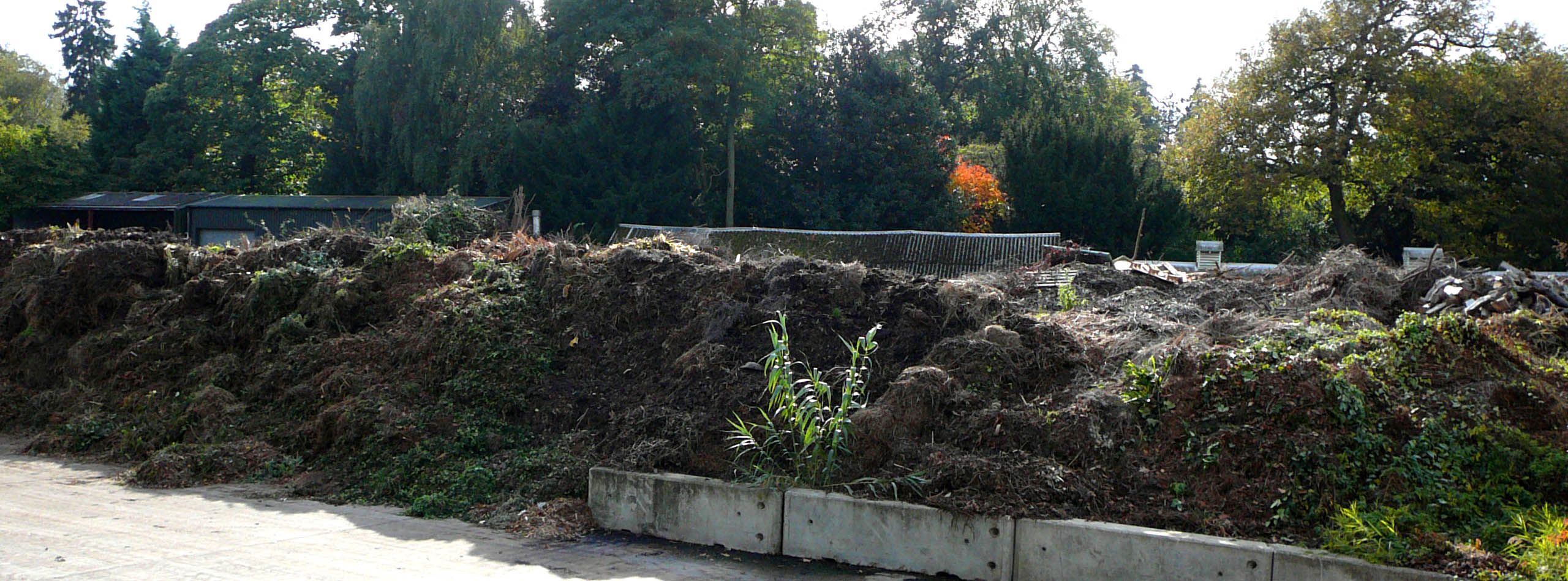
Cold winters and variable springs affect how organic matter breaks down. This guide covers insulated bins, vermicomposting, and cold-weather troubleshooting across Canadian zones.

Urban soils often carry compaction, heavy metals, and poor drainage from decades of development. Practical steps for testing, amending, and building productive growing media in city conditions.
Urban Farming
Growing food where space is limited
Urban farming in Canada ranges from rooftop greenhouses in Montreal to community garden plots in Toronto and backyard allotments in Vancouver. The constraints differ — lot size, sun exposure, bylaws — but the core questions are the same: what varieties thrive in short seasons, how to manage soil quality without spreading it across acres, and how to handle water efficiently in a city context.
Raised beds give urban growers control over soil composition, drainage, and root depth. Containers extend the growing area to patios and balconies. Vertical structures make use of fence lines and walls.

Key topics
What this site covers
Variety selection, spacing, succession planting, and season extension for Canadian growing zones 3 through 8.
Hot composting, cold composting, vermicomposting, and bokashi — how each method works, what it requires, and where it suits urban settings.
Organic matter, pH, drainage, contamination testing, and amendment strategies for urban plots with compacted or degraded soil.
Balcony and patio setups, suitable container sizes, potting mixes, and watering schedules for vegetables and herbs.
Cold frames, row covers, and low tunnels that add weeks to both ends of the growing season in cooler Canadian climates.
Drip irrigation, mulching strategies, and rainwater collection considerations for urban vegetable beds.
Contact
Send a message
Questions about content or gardening topics can be submitted below. This form does not send data to any server.